When it comes to your utility bill, most of us are on autopay, so our usage, and therefore cost, can drift upward without much notice. Whether you’ve been seeing your electric bill creep higher lately or you’re just wondering where all your money keeps going, you’re not alone. Energy rates are rising fast across North Carolina and the U.S.
Nationwide, utility bills are up an average of 11%. California experienced the biggest spike with homes now paying more than 12.5 cents extra per kWh compared to 2020. American households will see their electricity prices increase by $130 per year by 2030.
Here in North Carolina, the trend is similar. Approved rate adjust ments for Duke Energy Carolinas will bring the average household’s annual bill up by roughly $220 per year by 2026. These increases support our grid, infrastructure upgrades, and the transition to cleaner energy, but they also mean higher monthly costs for everyday families.
So yes, if your bill feels higher, it is.
Quick Understanding Time-of-Use (TOU)
For Duke Energy customers exploring solar, there’s one more important update to understand: Duke’s new Time-of-Use (TOU) rate structure, part of the state’s updated net metering policy (“NEM 2.0”). Under TOU, when you use electricity matters just as much as how much you use, which gives homeowners new opportunities to manage costs, especially when paired with solar and a home battery.
Rising rates and evolving solar policies leave North Carolina homeowners with 3 realistic paths forward:
- Stay the course and absorb ongoing rate increases
- Manually adjust your energy use around peak hours
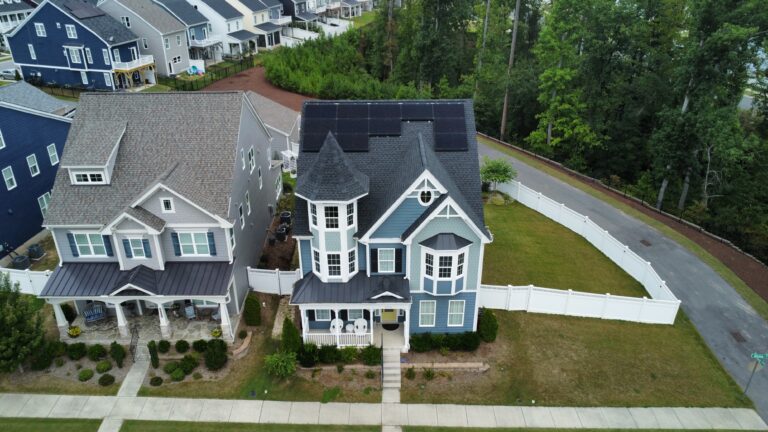
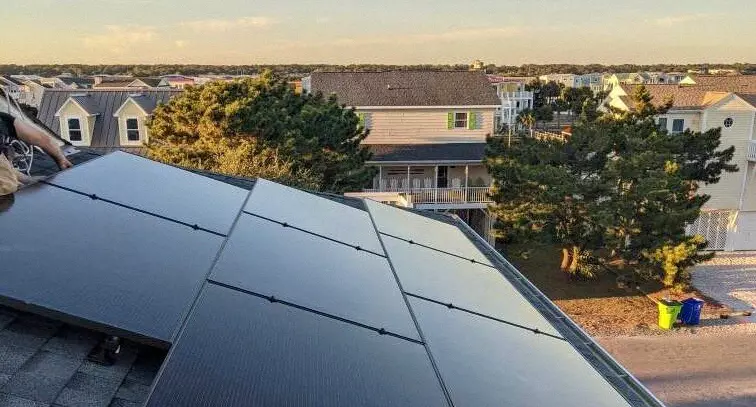
- Invest in solar + battery storage to automate energy control and protect your home from rising costs long-term
Let’s walk through each option so you can see which path fits your home and energy goals best.
Option 1: Stay the Course — and Pay More
Doing nothing is sometimes the most tempting option. No decisions, no research, no behavior changes, just keep paying whatever shows up in your inbox.
But the truth is, with the way electricity rates are trending in North Carolina, “doing nothing” really means “paying more every year with less say in how your home uses energy.”
If that works for you, we’re not here to change you.
But we are here to offer options that protect your comfort, your wallet, and honestly… your sanity.
Option 2: The Manual Energy-Management Life
This is the “I can game the system myself” route. And trust us… we’ve all tried it here and there.
You start:
- Turning the thermostat into a personality test
- Running the dryer at nocturnal hours
- Treating your oven like it’s in time-out during dinner time
- Whisper-yelling reminders about “peak hours” to your family
Does it save energy? Sure! Does it turn your home into a part-time job? Also yes.
It’s basically: sticky notes on the dryer, a group chat dedicated to “don’t touch the thermostat,” and kids asking why the microwave now has a bedtime.
And unless your full-time hobby is power-rate Sudoku, it’s really just not realistic. We all want the savings but we just don’t want to structure our entire life around a rate schedule.

Option 3: Solar + Battery Storage — Automation That Works for You
Here’s where things get good, and a lot less hands-on.
Pairing solar with battery storage gives you the kind of energy system that quietly does the smart stuff in the background:
- Solar produces clean energy during the day
- Your battery stores the extra
- Your home pulls from the battery when electricity is most expensive
- Everything keeps running during outages
- And you don’t have to think about any of it
This is truly the set-it-and-forget-it vibe that I love — and the smart-tech harmony Graham (SEM Owner and Solar Designer) won’t stop talking about.
Under Duke’s new Time-of-Use (TOU) structure, solar + storage is simply the most effective way to capture the full value of your energy. Solar produces the most when rates are lowest. Evenings cost more. A battery connects the dots.
No mental math and no alarms reminding you to turn off the AC.
Just clean energy flowing exactly when you need it.

Why Solar + Storage Are Built for Time-of-Use
TOU rewards homes that can shift when they use energy, and batteries are literally made for that.
With solar + storage, you can:
- Use energy when it’s cheapest
- Skip the evening price spikes
- Keep your home running through outages
- Support a cleaner, more stable NC grid
- Reduce demand on fossil-fueled peaker plants
It’s good for your home, good for North Carolina, and great for anyone who doesn’t want their life run by the rate schedule.Curious how NC’s energy landscape is shifting? Check out our State of Solar in NC blog →

What to Consider Before You Go Solar + Battery
If you’re thinking about making the jump, here’s what actually matters:
- System size: Enough solar to match your home’s usage
- Battery capacity: Enough storage for those high-cost evening hours
- Compatibility: Panels, inverter, and battery that play nicely together
- Warranty: Most batteries carry 10–15 years
- Backup priorities: What you want powered when the grid goes out
Our team walks you through all of this. No cookie-cutter systems, no pressure, just clarity.
The Bottom Line: Confidence Beats Chaos
Electricity rates are rising and TOU is here which means how you use power matters more than ever.
But micromanaging your home isn’t the answer! With solar + battery storage, you get automatic savings, backup power, and the kind of peace of mind that doesn’t require sticky notes plastered all over your life.
No thermostat games.
No 9 p.m. pizza restrictions.
Just flexibility .
TOU might complicate things… but solar + storage simplifies them. And you get the everyday peace and predictability your home deserves, day or night.

Ready to see what this could look like for your home? Let’s talk, no sticky notes required!